A photograph is a starting point, not proof
A useful before-and-after comparison shows the same person under the same conditions. Mascara, a lash lift, a different camera angle or brighter lighting can make a change look larger than it is. A striking picture does not tell you how typical the result was or what else changed during the interval.
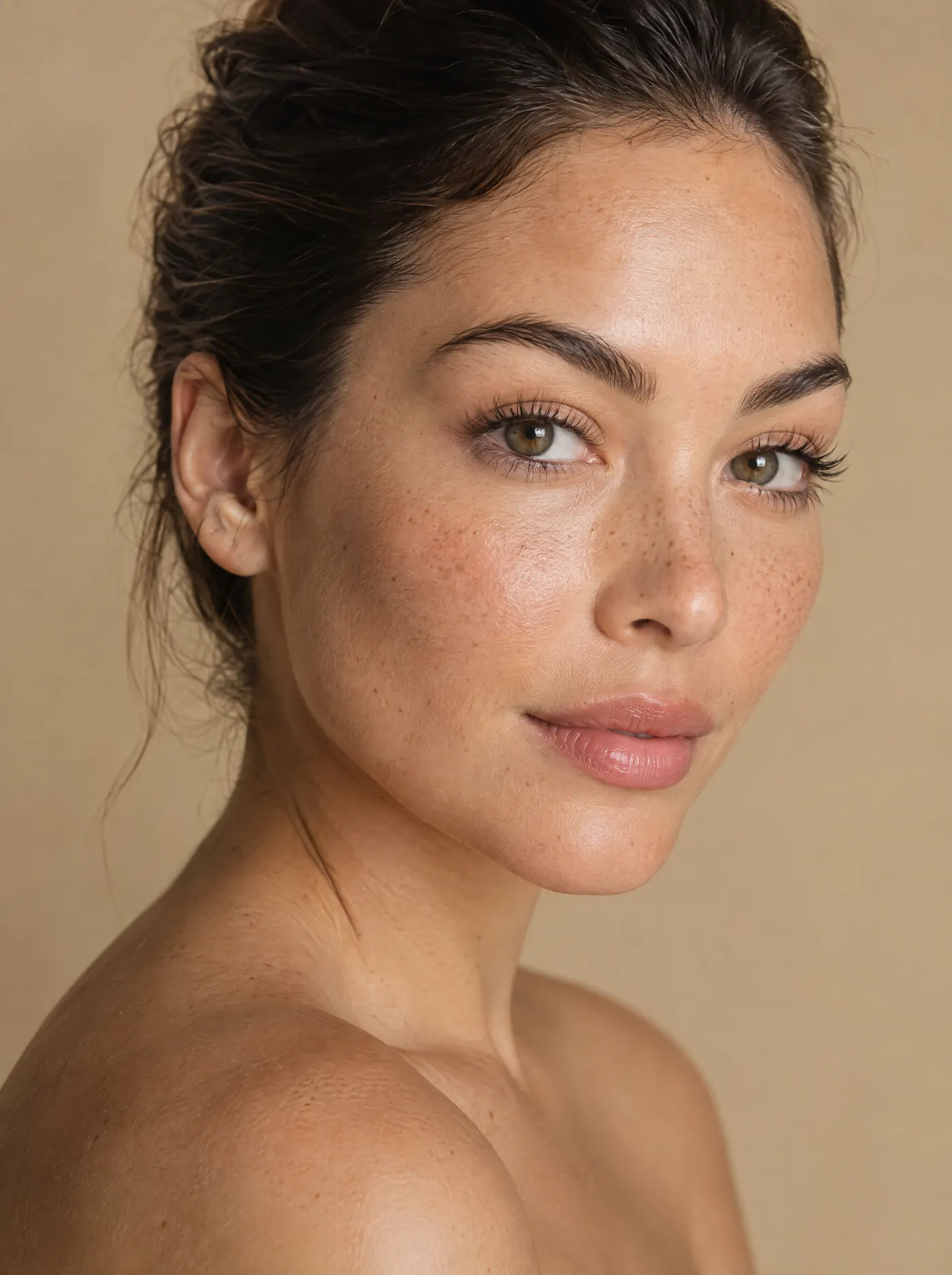
The image on this page is illustrative. It is not a participant photograph and does not document a serum result. We are not presenting invented before-and-after cases.
What different timelines actually mean
Cosmetic claims and prescription trial results are different kinds of evidence. OLAPLEX attributes its appearance claims to a 12-week consumer-perception study of 33 people. That is a report of participants’ assessments, not a guarantee for every user. Read the study description on the product page.
The LATISSE label reports a 16-week primary endpoint in a controlled study, with significant differences in overall lash prominence at weeks 8, 12 and 16. Those findings apply to bimatoprost in that study, not to unrelated cosmetic serums. See the clinical-study section.
Use a comparison schedule, not a promised deadline
- Before starting: photograph clean, bare lashes and save the product name and directions.
- At four weeks: repeat the setup. Record what you can actually see, including no obvious change.
- At eight weeks: compare the original and current images, not just the latest photo with your memory.
- At the product’s stated assessment point: review whether its appearance claim matches your experience.
These are suggested record-keeping checkpoints, not expected stages of growth. Do not continue an irritating product just to reach a photo date.
Make your own photos more useful
Use the same room, camera, distance and lighting. Turn off beauty filters and keep the camera at the same angle. Photograph both eyes with lashes bare and in a similar position. Label images with dates rather than “before” and “after” alone.
Keep a brief note of other changes: mascara, extensions, a lash lift, makeup removal or missed applications. If several things changed, you cannot confidently assign the entire difference to the serum. A simple weekly note is more informative than taking dozens of differently lit photographs.
Questions to ask about a brand’s results
Was the image taken with mascara? Is it a selected best result or representative of the group? How many people participated? Was the outcome measured, or did participants answer a questionnaire? Was there a comparison group? Were the photos taken after the same duration of use?
Also distinguish “90% of users noticed a change” from “lashes became 90% longer.” They describe entirely different outcomes. If the supporting information is missing, treat the picture as marketing rather than a reliable forecast for your own lashes.
Make a decision from your experience
Decide in advance what would make the purchase worthwhile: a visible change you can photograph, an easier routine or simply no benefit worth repurchasing. Avoid increasing application beyond the directions to chase a faster result.
For product comparisons, return to our lash-serum ranking; for the limits of cosmetic claims, start with the safety guide.